Why Spray Foam Insulation Is Worth It for Historic Jacksonville Homes
Historic neighborhoods like Riverside and Avondale are treasured parts of Jacksonville, but many of the charming bungalows built in the early 1900s suffer from poor insulation. Original walls were often filled with sawdust, newspaper, or nothing at all. Crawl spaces beneath these homes frequently lack any thermal protection. The question homeowners ask is simple: is spray foam insulation worth it? The answer depends on your priorities, but for older homes, the benefits often outweigh the costs.
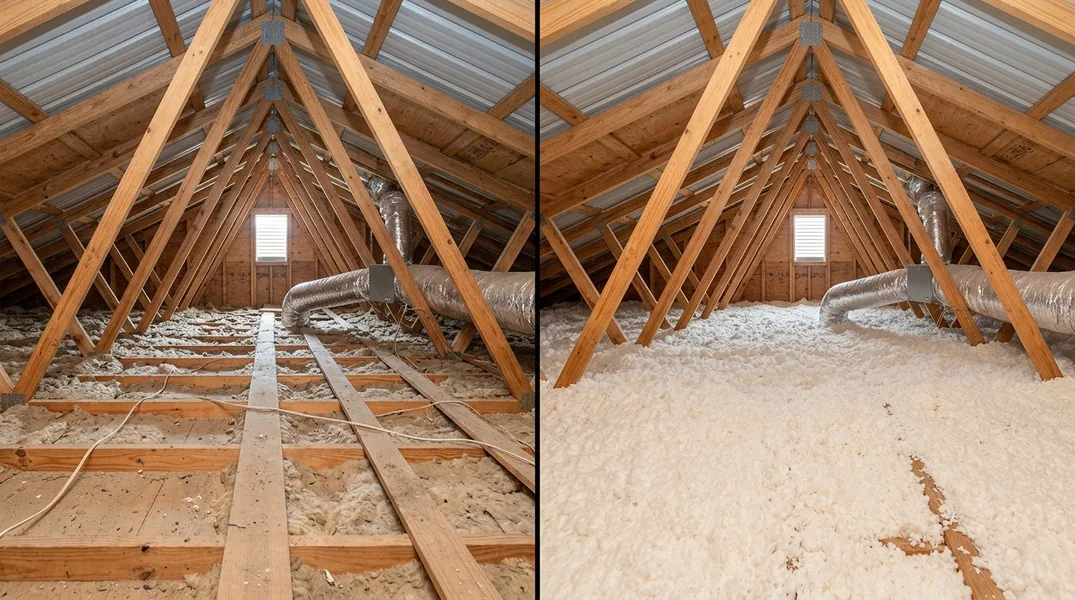
Attic Spray Foam Insulation and crawl space applications deliver superior R-value compared to fiberglass batts or blown cellulose. A single application creates an airtight seal that stops thermal bridging, reduces energy loss, and lowers utility bills year-round. In Jacksonville's hot, humid climate, this means your air conditioning system works less hard in summer, while winter heating stays contained indoors. For homeowners in Riverside and Avondale willing to invest in their home's envelope, spray foam typically pays for itself within 5 to 10 years through energy savings alone.
Is Spray Foam Insulation Safe? What Every Jacksonville Homeowner Should Know
Safety concerns are legitimate when considering any insulation upgrade. Is spray foam insulation safe? The short answer is yes, when installed by certified professionals and given proper curing time. Spray foam consists of two liquid components that react and expand on contact. During application, the chemicals are volatile, which is why trained installers wear protective equipment and ensure adequate ventilation. Once cured (typically 24 to 48 hours), spray foam becomes inert and poses no health risk to occupants.
The key is hiring qualified contractors in Jacksonville who understand local building codes and best practices. Improper installation, inadequate ventilation during application, or using low-quality materials can create problems. Professional spray foam companies follow EPA guidelines, use proper safety protocols, and ensure your home is safe to occupy after installation. Jacksonville Spray Foam Insulation follows industry standards and prioritizes homeowner safety at every stage. If you're concerned about safety, request documentation of installation practices and ask about certifications before hiring any contractor.
Understanding Spray Foam Off-Gassing and Indoor Air Quality
One of the most common concerns homeowners raise is spray foam off-gassing. During and immediately after application, spray foam releases volatile organic compounds (VOCs) into the air. This is normal and expected. The smell can be strong and unpleasant, and the fumes should not be inhaled. Professional installers manage this by ensuring proper ventilation during application and keeping occupants out of the treated area for 24 to 48 hours while the foam fully cures and off-gassing subsides.
After the curing period, off-gassing is negligible for properly installed spray foam. The foam hardens into a stable plastic polymer that no longer releases significant VOCs. This is different from some other building materials that can off-gas for weeks or months. If you're installing spray foam in a crawl space or attic, make sure your contractor seals the area properly and that your home has adequate ventilation. For added peace of mind, you can open windows and run fans during and after installation. The brief inconvenience of curing time is a small price for the long-term benefits of superior insulation and air sealing.
Spray Foam Insulation Pros and Cons: A Balanced Look for Riverside and Avondale Homeowners
Like any home improvement, spray foam insulation has both advantages and drawbacks. On the pro side, spray foam delivers exceptional R-value per inch, creates an airtight seal that fiberglass cannot match, and lasts the lifetime of your home without settling or degrading. It fills irregular spaces, seals gaps around pipes and wiring, and reduces air infiltration that causes drafts and energy waste. For older homes in Riverside and Avondale with poorly insulated crawl spaces and old walls, these benefits are transformative. Energy bills drop, comfort improves, and moisture problems often diminish because the air barrier prevents humid outdoor air from entering.
On the con side, spray foam costs more upfront than traditional insulation. Installation requires trained professionals with specialized equipment, so DIY is not an option. Once applied, it cannot be removed easily if you need to access wall cavities later for repairs or remodeling. Open Cell Spray Foam Insulation is permeable and allows some moisture transfer, which is actually beneficial in humid climates but requires careful installation. Closed Cell Spray Foam Insulation is more expensive but offers superior moisture resistance and higher R-value. Weighing these factors honestly helps you decide if spray foam is right for your home.
Common Spray Foam Insulation Problems and How to Avoid Them
Spray foam insulation problems typically stem from poor installation, inadequate ventilation, or unrealistic expectations. One common issue is improper mixing of components, which results in incomplete curing and weak foam. Another is over-application in confined spaces, which can create excessive pressure and damage framing. Moisture issues can arise if closed-cell foam is installed over wet surfaces or if open-cell foam is used in areas prone to bulk water intrusion. Off-gassing complaints usually reflect inadequate ventilation during and after curing, not a defect in the foam itself.
The best way to avoid spray foam problems is to hire experienced, insured contractors who understand local climate conditions and building codes. In Jacksonville's humid subtropical climate, proper vapor management is critical. Ask your contractor about their experience with crawl spaces and old walls in historic neighborhoods. Request references from previous clients in similar homes. Ensure they discuss ventilation requirements, curing time, and post-installation care. When considering Wall & Injection Foam Insulation for existing walls, confirm they have the expertise to assess wall cavities and avoid creating moisture traps. Jacksonville Spray Foam Insulation can answer your questions and provide a free estimate tailored to your home's specific needs.
Spray Foam Insulation Cost in Jacksonville: What to Budget
Budget is often the deciding factor for homeowners considering spray foam. Pricing varies based on application type, square footage, foam type (open-cell vs. closed-cell), and accessibility. Attic spray foam typically costs $1.50 to $3.00 per square foot, while crawl space applications may range from $2.00 to $4.00 per square foot due to moisture concerns and complexity. Wall & Injection Foam Insulation for existing walls runs higher, often $3.00 to $5.00 per square foot, because drilling and injection require precision work.
For a typical Riverside or Avondale bungalow with a 1,200-square-foot attic and a 1,000-square-foot crawl space, total spray foam insulation might range from $3,500 to $8,500 depending on foam type and local labor rates. This seems expensive compared to fiberglass, but remember that spray foam lasts 50+ years, requires no replacement, and delivers energy savings that offset the initial investment. Many homeowners also qualify for federal tax credits or utility rebates that reduce the net cost. To understand what your specific project will cost, contact Jacksonville Spray Foam Insulation at (904) 816-3633 or request a free estimate today. A professional assessment of your home's insulation needs will provide an accurate quote and help you make an informed decision.
Looking for a professional spray foam insulation contractor in Jacksonville? Jacksonville Spray Foam Insulation responds fast for all your spray foam insulation needs.
Get a Free Quote